Fast emergency tree limb removal Chislehurst local gardeners
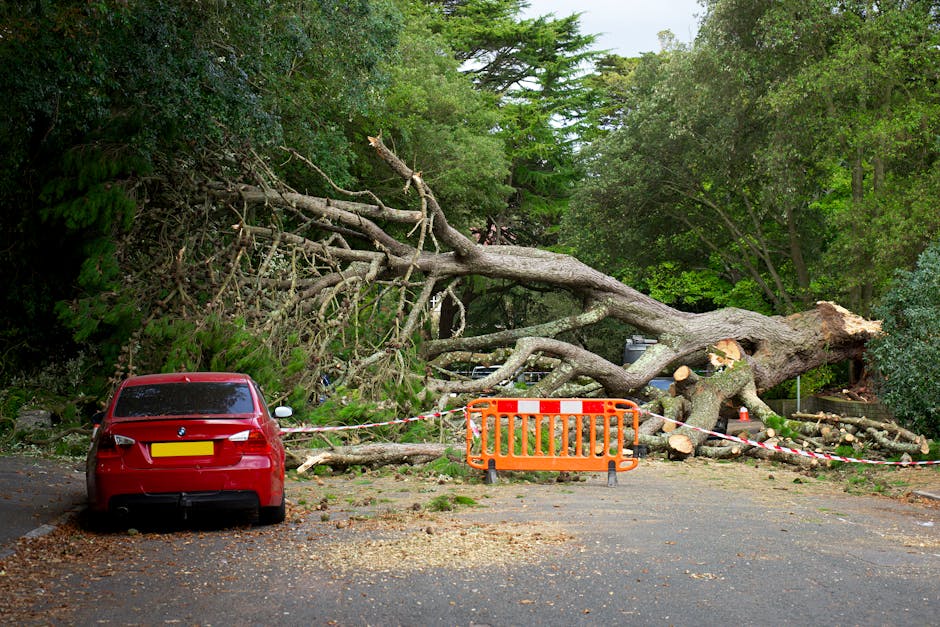
If a tree limb has snapped, shifted, or dropped after wind, heavy rain, or plain old fatigue, you need calm, practical help quickly. Fast emergency tree limb removal in Chislehurst is not just about tidying up a messy garden. It is about making the space safe again, protecting roofs, fences, drives, and nearby people, and dealing with the job without turning a bad situation into a worse one.
That is where local gardeners with the right experience can make a real difference. They understand how to assess the limb, secure the area, remove the hazard, and clear the debris with as little disruption as possible. In this guide, you will find out how the process works, when it makes sense to call for urgent help, what good practice looks like, and the mistakes that catch people out. Let's face it, when a limb is hanging over the patio or blocking a path, you want clear answers, not waffle.
Why fast emergency limb removal matters
A damaged limb can look manageable from a distance and still be extremely unstable. Branch fibres tear in unpredictable ways, bark can split under tension, and a branch that seems to be "just hanging there" may drop without warning. That is why urgent action matters. In a home setting, the risk is usually not dramatic film-style stuff; it is the everyday hazards that cause the real trouble. A sagging limb can block a driveway, crush a greenhouse, scratch a parked car, or end up on a roof during the next gust of wind.
In Chislehurst, gardens often have mature trees, hedging, boundary planting, and narrow access points. That mix makes quick removal more than a simple cut-and-carry job. It needs judgement. A local gardener who knows how to work in tight residential spaces will look at access, overhead hazards, the tree's condition, and the safest escape route for the debris. If you need broader follow-up work after the emergency has been dealt with, services such as tree surgery or tree lopping and removal may be the sensible next step.
There is also a practical emotional side to it. People often wait because they are not sure it is "serious enough". Then the weather turns, or the branch starts creaking at 11 p.m., and suddenly everyone is a bit on edge. Fair enough. A fast response is often the difference between a contained problem and a proper headache.
Expert summary: emergency limb removal is less about speed alone and more about speed with control. The best outcome is the one where the area is made safe first, then cleaned up properly, then checked for anything else unstable.
How fast emergency tree limb removal works
The process usually starts with a quick assessment. A gardener or tree professional will want to know what has happened, whether the limb is still attached, whether it is resting on something, and whether anyone can safely stay near it. If the branch is precarious, they may advise keeping people away until they arrive. That advice matters. You do not need heroics. You need good judgement.
Once on site, the priority is to establish a safe working zone. That can mean moving cars, keeping children and pets indoors, and checking for hazards such as low wires, cracked fencing, damaged decking, slippery surfaces, or nearby glass. If the limb is over a structure, removal may need to be done in sections rather than one quick cut. The method depends on weight, position, decay, wind exposure, and how much tension is in the limb. It is rarely as simple as "cut here and job done".
After the unstable section is removed, the team normally tidies the work area, cuts material down into manageable pieces, and clears the waste. In some cases, the damaged tree will need a follow-up visit or a more thorough look after the immediate danger is gone. If the fallen material has made a big mess, a linked service like garden clearance can help restore the area properly.
Good services do not rush the final check. They look for torn bark, splintered unions, cracked limbs, and remaining deadwood. You want the site safe before the team leaves. Sounds obvious, but you would be surprised how often the neatest-looking job still hides a weak point above head height.
Key benefits and practical advantages
Fast emergency limb removal has benefits that go beyond obvious safety. The first is peace of mind. Once the hazard is dealt with, everyone can stop doing that awkward sideways glance at the tree every time the wind picks up. The second is property protection. A branch left hanging over a fence or roof can do more damage the longer it stays in place. Third, there is access. A blocked path, garden gate, or side return can be a genuine nuisance, especially if deliveries, tradespeople, or family members need to get in and out.
There is also the advantage of preventing secondary damage. A hanging limb can rub against gutters, dent a shed roof, or strain a boundary fence. If the branch has affected nearby hard landscaping, follow-up services such as fencing or patio cleaning may help once the immediate risk is gone. In some gardens, the emergency removal is the first step in a wider tidy-up, maybe alongside garden maintenance to keep things from getting out of hand again.
Another practical benefit is speed of decision-making. A local gardener can often assess access and organise the job faster than someone who is unfamiliar with the area and typical garden layouts. That local familiarity matters when time is short. And to be fair, in a narrow Chislehurst drive with bins out, a car parked awkwardly, and rain starting up again, experience is worth a lot.
Who this is for and when it makes sense
This kind of service is for homeowners, landlords, property managers, letting agents, and anyone responsible for a garden or boundary tree that has become unsafe. It also makes sense for people who are not sure whether the problem is actually emergency-level. If a limb is cracked but still attached, leaning across a roof, or dropping debris after wind, it is usually better to treat it seriously than wait for the next storm to make the choice for you.
It is especially relevant if the damaged limb is:
- resting on a structure such as a shed, garage, porch, or fence
- hanging over a path, driveway, or neighbour's boundary
- partly split with visible tearing at the branch union
- blocking access to the garden or side entrance
- close to glass, decking, or garden furniture
- creating a risk of further falling debris
Sometimes the job starts as a limb removal and ends as a wider garden tidy. That is normal. If the storm has also filled borders, beds, and paths with debris, it may be sensible to combine the work with gardening services or even broader landscaping repairs once the danger is out of the way.
One useful rule of thumb: if you would feel nervous standing under it for ten seconds, do not leave it for ten days.
Step-by-step guidance
- Keep people away from the area. Move children, pets, and anyone unnecessary out of the zone. If the limb is close to a roof, wall, or overhead line, keep distance. No one needs to be underneath "just to have a look".
- Take a quick visual note. From a safe position, check whether the limb is fully detached, partly attached, or leaning on something. This helps the gardener understand urgency before arriving.
- Clear basic access. If safe to do so, move vehicles, garden furniture, and lightweight items away from the work area. Do not try to shift a branch yourself if it is under tension.
- Speak to a local gardener or tree specialist. Explain the size of the limb, the tree type if known, and any structures nearby. Mention if access is tight or if there is a fence, decking, or roof in the way.
- Let the team assess the safest method. They may cut in stages, use lowering techniques, or work from a different angle than you expected. That is usually a good sign.
- Ask about waste removal and follow-up. A proper emergency job includes clearing debris and checking whether the tree needs further attention later on.
- Review the surrounding garden. After the urgent work, look for cracked branches, bark splits, lifted soil, or damage to fences and hard surfaces.
If you are planning related garden work after the immediate issue, garden clearance and tree surgery are often the most logical next conversations. In some cases, the tree may simply need pruning and monitoring. In others, removal is the safer route. It depends on the condition, not on wishful thinking.
Expert tips for better results
One of the best things you can do is describe the problem clearly. "A branch fell off" is helpful, but "a large limb is half-detached above the greenhouse and touching the fence" is better. That extra detail helps with planning. It may even change how quickly the job is prioritised.
Another tip: do not try to cut the branch at the weak point unless you have proper training and the right equipment. A limb can spring, twist, or drop unexpectedly. Chainsaw work near stressed wood is not the place for confidence without experience. Truth be told, it is where many DIY plans go a bit sideways.
It is also wise to think beyond the obvious hazard. A storm-damaged tree can leave loose bark, hidden fractures, or unstable secondary branches nearby. If the tree is close to outdoor structures, checking whether nearby features need attention can save time later. For example, damaged boundary timber may need fencing support, and wet debris on paving may need a follow-up clean with patio cleaning once the area is safe.
A final tip from real-world experience: photograph the damage before work begins if you may need it for an insurer or landlord. Keep it simple. A few clear pictures from a safe distance are enough. No dramatic zooming under the branch, please.
Common mistakes to avoid
The most common mistake is waiting too long. People often assume the branch will "stay put overnight" and then deal with it in the morning. Sometimes that works. Sometimes the wind changes and the branch moves, and not in a friendly way. If the area feels unsafe, act sooner rather than later.
Another mistake is trying to force the limb down with ropes, poles, or brute strength. That can increase tension and make the break more unpredictable. It can also put you in the direct path of the branch if it snaps free. Not ideal, obviously.
Other mistakes include:
- standing directly under the damaged limb while discussing what to do
- forgetting about nearby fences, sheds, and glass
- assuming all gardeners can handle emergency tree work the same way
- not asking whether waste removal is included
- ignoring smaller cracks after the main limb is removed
- failing to check for further damage after strong wind
If the surrounding garden has become cluttered or overgrown, the situation can feel a bit bigger than one broken limb. That is normal. A well-organised service can fold in gardening services or ongoing garden maintenance so the space does not drift back into the same problem again.
Tools, resources and recommendations
For emergency limb removal, the important tools are not just saws and ladders. They also include the right judgment, protective equipment, and a sensible plan for lowering debris. Depending on the situation, a team may use hand saws, pruning tools, ropes, poles, ladders, and protective gear. The exact kit depends on the height, weight, and position of the branch.
If you are a homeowner trying to get ready before help arrives, the best "tool" is preparation. Keep the access route clear. Put pets indoors. Move the car if there is any chance of falling material. Turn on outdoor lights if the job may go into dusk. On a wet evening, that extra bit of visibility helps more than people expect.
Recommended practical steps for the homeowner:
- take safe photos for records
- note any leaks, cracks, or impact marks on nearby structures
- check whether the tree has other dead or overextended limbs
- keep children away from the area until the work is finished
- ask if the waste will be taken away in the same visit
For related services after the emergency, a few useful pages to explore are lawn care if debris has damaged turf, lawn mowing if the garden needs resetting, and decking services if a falling limb has affected timber surfaces. These are not always needed, of course, but it is useful to know the options are there.
Law, compliance, standards and best practice
Emergency tree work should be approached carefully and with proper insurance, risk awareness, and safe working methods. In the UK, there can be planning considerations, property boundaries, conservation factors, and duties around safe work practices. The exact requirements depend on the tree, its location, ownership, and whether any protections apply. If there is any doubt, a cautious assessment is the right move.
From a best-practice point of view, a reputable gardener or tree professional should treat safety as non-negotiable. That means looking at access, using appropriate protective equipment, avoiding unnecessary risk, and making sure the job is completed without leaving a hidden hazard behind. Insurance and safety matter here. If a company cannot speak clearly about those basics, that is a red flag. Quiet, but still a red flag.
It is also sensible to understand the difference between simple garden clearance and more technical arboricultural work. Emergency limb removal sometimes sits in the middle. A local gardener may be ideal for straightforward urgent clearance, while a more specialised team may be needed for complex structural tree issues. If the limb damage suggests wider instability, tree lopping and removal or tree surgery may be more appropriate than a one-off cut.
On the customer side, clear communication helps things go smoothly. Tell the team about access issues, nearby structures, and any known tree history. If the job is being arranged through a broader garden care package, review the practical details in terms and conditions and pricing and quotes so expectations are set properly from the start.
Options, methods and comparison table
Not every limb problem needs the same response. A small snapped branch in an open lawn is very different from a half-hung limb over a conservatory. The table below gives a simple way to compare common options.
| Situation | Best approach | Why it works | Notes |
|---|---|---|---|
| Small branch on open ground | Quick removal and clearance | Low risk, easy access | May be handled during routine garden work |
| Partly attached limb over a structure | Emergency sectional removal | Reduces chance of sudden collapse | Needs careful control and good judgement |
| Multiple damaged branches after wind | Assessment plus staged pruning | Deals with hidden weaknesses | Follow-up visit may be useful |
| Tree showing wider decay or splitting | Tree surgery or removal review | Looks at the whole risk, not just the visible limb | May require more specialist input |
| Branch damage plus garden debris | Emergency removal with clearance | Restores access quickly | Often paired with general tidy-up work |
In simple terms, the more tension, height, or structural uncertainty involved, the more careful the method needs to be. The fastest option is not always the best one. The safest one is.
Case study or real-world example
A typical example is a windy afternoon in a suburban Chislehurst garden after a wet week. A medium-sized limb cracks partway through and hangs over a rear patio. The family can still get into the house, but the back door area feels risky and there is a fence panel directly below the branch. You can hear it moving a little in the wind, which is never a comforting sound. Not dramatic, just unsettling.
In that situation, the first step is to keep everyone away from the patio and move anything light that could be damaged. The team arrives, checks the limb, and decides it needs to come down in sections because the weight is caught against the fence. After removing the hazard, they clear broken pieces, check for further splits higher up, and confirm the area is safe to use again. Later, the homeowner books fence repairs and a general tidy-up because the storm exposed a few other issues that had been hiding in plain sight.
That is often how these jobs unfold in real life. One problem reveals another. Not always, but often enough to be worth mentioning.
Practical checklist
Use this quick checklist if you are dealing with an urgent limb issue:
- Keep children, pets, and visitors away from the area.
- Look from a safe distance only.
- Check whether the limb is resting on a roof, fence, shed, or car.
- Move vehicles and loose items if it is safe to do so.
- Describe the issue clearly when requesting help.
- Ask whether removal, waste clearance, and follow-up checks are included.
- Take photos for your records before work starts.
- Inspect nearby branches and structures afterwards.
- Arrange extra garden or fence repairs if needed.
- Keep the area off-limits until the job is fully finished.
If you are also planning a broader tidy-up, it may be worth reviewing garden maintenance options so the garden stays manageable after the emergency has passed.
Conclusion
Fast emergency tree limb removal in Chislehurst is about more than speed. It is about making a stressed, awkward, sometimes slightly alarming situation safe again with the least fuss possible. The best local gardeners bring practical experience, tidy work habits, and a calm approach when the weather, the tree, or both are not playing nicely.
If you are facing a hanging branch, a snapped limb, or debris that has made the garden difficult to use, act early and choose a service that understands both safety and the realities of working in real homes. A careful response now can save damage, stress, and a lot of unnecessary back-and-forth later. And honestly, that kind of quiet relief is worth a lot.
Get a free quote today and see how much you can save.
Frequently Asked Questions
How urgent is a partially broken tree limb?
Usually very urgent if it is hanging, cracking, or resting on something. Even if it looks stable, a partly broken limb can shift suddenly with wind or vibration. The safest move is to keep away from it and arrange an assessment quickly.
Can a local gardener remove an emergency limb, or do I need a tree surgeon?
It depends on the size, height, and complexity of the damage. A local gardener may handle straightforward emergency removal, while a more technical or unstable tree issue may need tree surgery. If the limb is over a structure or the tree looks compromised, specialist input is often the safer choice.
What should I do before help arrives?
Keep people and pets away, move cars or objects if it is safe, and take photos from a distance. Do not stand under the limb or try to pull it down yourself. Simple preparation makes the job safer and faster.
Will the damaged limb always mean the tree needs to be removed?
No, not always. Many trees can be saved with pruning, sectional removal, or later maintenance. The final decision depends on the extent of the damage, the tree's condition, and whether there is broader decay or instability.
Is emergency tree limb removal expensive?
Costs vary depending on access, height, urgency, and the amount of work involved. A small accessible limb will usually be simpler than a large limb over a roof or fence. Asking for a clear quote is the best way to understand the likely cost.
Can damaged branches be left until the weather improves?
Sometimes, but not if they are unstable or threatening property or access. If the branch is at risk of falling or causing more damage, waiting is rarely the best idea. Weather often makes things worse, not better.
What if the limb has damaged my fence or patio?
Deal with the hazard first, then inspect the surrounding damage once the area is safe. Follow-up work such as fencing repairs or patio cleaning may be needed afterwards. It is better to assess the whole area rather than only the branch itself.
How quickly can a local gardener respond in an emergency?
Response times depend on workload, weather, and the complexity of the call. A local team may often respond faster than someone travelling from further away, especially for residential garden access in Chislehurst.
Should I clear the branch myself after it falls?
Only if it is small, fully detached, and clearly safe to handle. If there is any tension, height, or risk of movement, leave it alone. A branch that looks harmless can still spring or shift when moved.
Do I need to keep the damaged tree checked afterwards?
Yes, that is usually sensible. A broken limb can reveal a larger weakness, hidden decay, or a split that needs monitoring. A follow-up inspection helps prevent repeat problems, especially after windy weather.
What other services might I need after emergency limb removal?
Depending on the damage, you might need garden clearance, fencing repairs, tree surgery, or general garden maintenance. Some jobs end after one visit, but many gardens benefit from a bit of follow-up work to get everything back into shape.
Is it safe to use the garden straight after the limb is removed?
Usually yes, once the team has finished the job and confirmed the area is safe. If there is damage to the fence, paving, decking, or nearby tree sections, it is worth keeping that part of the garden out of use until it has been checked properly.