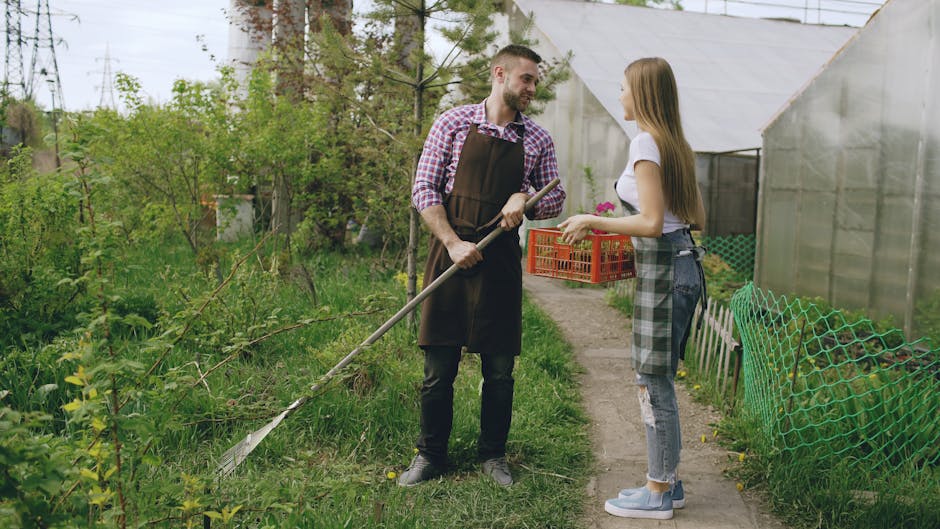
Common problems when booking gardeners in Chislehurst and fixes
Booking a gardener should feel straightforward. You want the lawn cut, the hedge shaped, the beds tidied, maybe a proper reset after a soggy spell or a summer of growth that got away from you. But in real life, people run into the same frustrations again and again: unclear quotes, missed appointments, the wrong service being booked, or a team arriving without the right kit. This guide on Common problems when booking gardeners in Chislehurst and fixes breaks down what goes wrong, why it happens, and how to sort it before it wastes your time or money.
Chislehurst gardens can be a mixed bag too. Some are compact and neat, others are mature, uneven, shaded, windy, or simply overgrown after a few busy months. That means the booking process matters just as much as the gardening itself. If you know what to ask, what to check, and what warning signs to watch for, you can avoid a lot of hassle. And yes, that includes the annoying "we'll call you back" that never quite happens.
Table of Contents
- Why common booking problems matter
- How the booking process usually works
- Key benefits of getting the booking right
- Who this is for
- Step-by-step guidance
- Expert tips for better results
- Common mistakes to avoid
- Tools, resources and recommendations
- Law, compliance, standards and best practice
- Options, methods or comparison table
- Case study or real-world example
- Practical checklist
- Conclusion
- Frequently asked questions
Why Common problems when booking gardeners in Chislehurst and fixes Matters
Small booking mistakes can snowball quickly. A ten-minute tidy-up can turn into a half-day job if the garden has been left to run wild. A hedge trim can be delayed because access wasn't discussed. A quote can jump because waste removal, clipping disposal, or additional labour was never clarified. In practical terms, the problems usually show up as time loss, surprise costs, and a result that does not match what you pictured in your head.
That matters more than people think. Gardens are personal spaces. They affect how your home feels, how usable your outdoor areas are, and how much maintenance you face later. A booking that is rushed or vague often leads to more work, not less. If you are trying to keep a garden under control season by season, especially in a leafy area where growth can be relentless, getting the arrangement right at the start saves a lot of grief.
Expert summary: most booking issues come from missing information, unclear scope, and assumptions on both sides. The fix is usually simple: describe the job well, confirm the price structure, ask about access and waste, and make sure the gardener understands the finish you want. Basic, but powerful.
How Common problems when booking gardeners in Chislehurst and fixes Works
Most gardening bookings follow a fairly simple path. You make an enquiry, describe the work, receive a quote or estimate, agree a date, and then the gardener arrives to carry out the job. The trouble is that each step can go wrong in its own way. If the first conversation is vague, the quote will be shaky. If the quote is unclear, the appointment may not match your expectations. If the visit is not properly scoped, the job may be left half-finished or priced again on the day.
Let's face it, a garden is not a flat-pack bookshelf. Two lawns may look similar at first glance, but one might need edging, moss control, extra clearance, or careful handling around decking, fencing, or planted borders. A hedge may be straightforward in one street and awkward in another because of height, width, or access. That is why a good booking process should always include a proper description of the space, the tasks, the timing, and any constraints.
In practice, the process works best when both sides treat it like a short project rather than a casual favour. You provide photos or a clear explanation, the gardener assesses the work, and the quote matches the actual conditions. If tree work is involved, or anything that could affect safety, the discussion should be even more detailed. For example, if you are weighing up whether a job is simple enough for a standard maintenance visit or whether it needs a more specialist approach, it can help to read about professional tree surgery versus DIY before you commit to a plan.
Key Benefits and Practical Advantages
When the booking is handled well, the benefits are immediate and surprisingly broad. You get clearer pricing, fewer delays, better results, and a calmer experience overall. There is also a knock-on effect: the garden stays easier to maintain, because the first job was done properly and with the right scope.
- Fewer surprises: the work, access, and waste handling are clear from the start.
- Better timekeeping: appointments are more likely to run smoothly when expectations are set early.
- Cleaner results: the gardener can bring the right tools and allow enough time for a proper finish.
- Stronger value: you avoid paying twice for the same work because something was missed the first time.
- Less stress: you are not chasing answers at the last minute or renegotiating on the doorstep.
There is a quieter benefit too. Once you have a reliable way of booking gardening help, future jobs become easier. You know what to ask. You know what the provider needs. That confidence is worth a lot, especially when the garden is changing through the seasons and you need help more than once a year.
Who This Is For and When It Makes Sense
This topic matters for homeowners, landlords, tenants with permission to arrange work, property managers, and anyone trying to keep a garden presentable without spending every weekend wrestling with it. It also matters if you have limited time, mobility concerns, a larger garden, or a space that needs more than a quick tidy. Sometimes people only need one-off help after a long spell of neglect. Other times they are looking for regular garden maintenance, lawn care, or seasonal cutting.
It makes particular sense to pay attention before booking if your garden includes hedges, mature shrubs, uneven ground, patios, decking, fences, or tricky access. These are the sorts of details that change the job from "simple enough" to "needs a proper look first". If you are planning more than routine mowing, it can also be useful to understand related services such as routine garden maintenance and lawn care, because the right service category helps avoid confusion later.
And if the garden has really got away from you, you are not alone. Plenty of people reach the same point after holidays, busy work periods, rain-heavy weeks, or just a few months of "we'll sort it next weekend". Happens all the time.
Step-by-Step Guidance
Here is the cleanest way to reduce booking headaches and get a better outcome.
- Describe the job properly. Don't just say "the garden needs tidying". Say what needs doing: lawn mowing, hedge trimming, weed removal, pruning, clearing leaves, patio cleaning, or disposal.
- Share photos if possible. A few clear images can prevent a lot of wrong assumptions. Show the full garden, awkward access points, and anything that looks overgrown.
- Ask what is included. Does the quote cover labour only, or labour plus waste removal? Are tools supplied? Is green waste taken away?
- Check timing and access. Make sure the gardener knows where to park, how they enter, and whether they need someone present.
- Confirm special risks. Mention damaged paving, unstable fencing, slippery areas, pets, children's play equipment, or overhead obstacles.
- Get clarity on payment. Before work starts, confirm when payment is due and what methods are accepted. That reduces awkwardness later.
- Agree on the finish. "Tidy" can mean different things to different people. Say whether you want a light trim or a full reset.
A small example helps. If you ask for hedge cutting and the provider assumes a routine trim, but you expected shaping, clippings removal, and access to a tall rear boundary, the result will feel disappointing even if the actual work was decent. One extra sentence in the booking message can prevent that. Not glamorous, but effective.
Questions worth asking before you book
- What exactly is included in the quote?
- Will waste be removed, left onsite, or charged separately?
- Do you bring your own equipment?
- Do you need photos before giving a quote?
- How do you handle jobs that take longer than expected?
- Can you advise if the work is better split into phases?
If a job includes hedges, boundaries, or privacy screening, it can also help to look at related content such as hedge trimming in Chislehurst and ideas for fast-growing hedges. That sort of context helps you book the right work, not just any work.
Expert Tips for Better Results
One of the biggest mistakes people make is treating all gardening jobs as interchangeable. A lawn mow, a hedge shape, a border clear-out, and an overgrown-garden rescue each need different time, tools, and expectations. If you can separate them before booking, you are already ahead.
Another good habit is to be specific about season and condition. A garden in late summer may need different handling from one in early spring. Wet soil, long grass, shaded borders, and wind exposure all change how a job is approached. If your space is prone to tough conditions, a helpful read is how gardens cope with wind exposure. That is not just a design topic; it can affect maintenance planning too.
Use the booking conversation to test responsiveness. Do they answer clearly? Do they ask sensible follow-up questions? Do they seem to understand the scale of the job? The best gardeners tend to be practical in their replies, not overly polished. A decent answer now usually means fewer headaches later.
Also, ask for a written summary if the job is more than a simple one-off. It does not need to be a legal document. Just a short note of what is included. It sounds fussy until the day someone says, "Oh, I thought you meant something else." Then suddenly it feels quite sensible.
Common Mistakes to Avoid
Here are the errors that cause the most frustration.
- Booking on price alone. The cheapest quote is not always the best value if it excludes disposal, travel, or proper finish.
- Using vague wording. "Just a tidy-up" can mean almost anything.
- Not mentioning access issues. Narrow side gates, steps, locked communal spaces, or long carries all matter.
- Forgetting to mention hazards. Broken paving, hidden branches, sharp garden waste, and pets are all relevant.
- Assuming the gardener knows your preferences. They do not, unless you say so.
- Leaving the booking too late. In busy periods, the best slots go quickly. Last-minute jobs can limit your choices.
There is also the classic mistake of asking for a "small job" that actually needs two people and a trailer. It happens more often than people admit. No judgement, though. Gardens have a habit of growing faster than our plans.
If your problem is not just booking but a garden that has become seriously tangled, you may get more value from reading how to tackle an overgrown garden before you request help. That can make your enquiry far more accurate.
Tools, Resources and Recommendations
You do not need specialist software to book a gardener well. A few simple tools and habits are enough.
- Phone camera: take wide shots and close-ups of problem areas.
- Short task list: write the jobs in order of priority.
- Basic measurements: approximate hedge length, lawn size, or access width can be very useful.
- Calendar reminder: note the proposed visit date, especially if you need to be home.
- Before-and-after record: useful if you arrange regular garden work and want consistency.
For background reading, it can help to explore related service pages and guidance such as gardening services, lawn mowing, and patio cleaning. These are useful when you are trying to decide whether your garden needs one targeted visit or a more joined-up approach.
If the garden includes structural work or anything beyond standard maintenance, you might also compare broader services like landscaping, fencing, or tree surgery. Mixing these up can lead to the wrong provider being booked for the wrong job, which is a classic source of disappointment.
Law, Compliance, Standards, or Best Practice
For ordinary garden maintenance, the main compliance concerns are usually practical rather than bureaucratic. That said, best practice still matters. If work involves heights, power tools, waste handling, or trees, the provider should work safely and sensibly. You should feel comfortable asking about insurance, risk awareness, and how the work will be carried out. For especially sensitive tasks, the safer approach is often the smarter one.
It is also fair to expect clear terms around payment, cancellations, and disputes. A proper business will usually have written terms, a complaints process, and a privacy policy that explains how your details are handled. You can review pages such as terms and conditions, payment and security, complaints procedure, and privacy policy to understand the sort of information a reputable provider should make available.
If you are booking a job that involves potential hazards, it is also sensible to ask whether the provider follows a clear health and safety policy and carries appropriate insurance and safety arrangements. That is not being difficult. It is just good sense.
There is a softer compliance angle too: accessibility. If you need a booking process or on-site arrangement that accounts for mobility, entry, communication, or time constraints, ask early. A small adjustment at the start can make the whole job smoother. The same is true of service information, which is why pages like accessibility statement and about us can help set expectations about how a business works.
Options, Methods, or Comparison Table
Different booking methods suit different kinds of jobs. A quick comparison can make the choice clearer.
| Booking method | Best for | Pros | Watch out for |
|---|---|---|---|
| Phone call | Simple jobs, urgent requests | Fast, conversational, easy to clarify details | Important points can be forgotten if not written down |
| Email or web enquiry | Detailed jobs, photo-based quotes | Clear record, easy to attach images and notes | Can feel slower if you need an immediate answer |
| Repeat maintenance arrangement | Regular mowing, trimming, seasonal tidy-ups | More consistency, less repetition each time | Scope can drift if the garden changes and nobody updates the plan |
| One-off inspection then quote | Overgrown, complex, or mixed work | More accurate pricing and planning | May take longer to arrange |
In many cases, the best choice is a combination: a short initial message, followed by photos, then a quick call if the job is complex. That gives both sides enough context without turning the booking into an admin marathon.
If you are unsure whether your job is a routine maintenance visit or something more specialised, that distinction is worth making early. It often changes the time needed, the equipment required, and the final price. Simple, really, but easy to miss when you are in a hurry.
Case Study or Real-World Example
Picture a typical Chislehurst garden after a wet, busy spring. The lawn has softened at the edges, the hedge has pushed out in all directions, and the back corner is full of weeds and cuttings from previous jobs. The owner wants "a tidy-up" before a family weekend, so they send a short message and expect a quick quote.
At first, everything seems fine. But the gardener arrives and discovers a narrow side access, a long carry for green waste, a hedge that needs shaping rather than just trimming, and a patio that is slick with moss. The work takes longer than expected, and the owner feels the price has changed under their feet. The gardener, meanwhile, feels the job was not described properly. Not ideal.
Now compare that with a better version. The owner sends four photos, mentions the side access, lists the tasks in order, and asks whether the price includes waste removal. They also ask whether the hedge should be reduced in size or simply tidied. The gardener can then price accurately, bring the right tools, and set clear expectations. The visit starts on time, the job is finished properly, and everyone avoids the awkward bit where nobody quite remembers who said what.
That is the real lesson here. Better booking does not magically make the garden easier, but it does make the work easier to organise. And that can be the difference between a decent result and a frustrating one.
Practical Checklist
Use this before you confirm a booking.
- Have I clearly listed every task I want completed?
- Have I shared photos or a clear description of the garden?
- Have I explained access, parking, and entry details?
- Have I mentioned pets, children, fragile plants, or hazards?
- Do I know whether waste removal is included?
- Do I understand the pricing structure?
- Have I agreed on the timing and expected duration?
- Do I know what level of finish I want?
- Have I checked whether the work needs specialist handling?
- Have I asked for written confirmation if the job is more than a simple visit?
Quick takeaway: the fewer assumptions you leave hanging in the air, the smoother the booking will be. Most problems are avoidable if you slow down for five minutes at the start. Honestly, that tiny pause can save you a headache later.
Conclusion
Common problems when booking gardeners in Chislehurst and fixes usually come down to communication, scope, and expectations. The good news is that all three can be improved with straightforward habits: describe the job properly, ask what is included, confirm access, and be honest about the state of the garden. Once you do that, the whole experience becomes calmer, more predictable, and much better value.
Whether you need a one-off clearance, seasonal help, or regular maintenance, the booking itself should already move you toward a better garden, not create a new problem to solve. Keep it clear, keep it simple, and do not be shy about asking practical questions. A reliable gardener will not mind. In fact, they will usually appreciate it.
If you are ready to make the next step easy, start by gathering a few photos and outlining the work you need. That one small preparation can make all the difference, and it is the sort of sensible little move that tends to pay off nicely later on.
Get a free quote today and see how much you can save.
Frequently Asked Questions
What is the most common problem when booking a gardener?
The most common issue is an unclear job description. People often ask for a general tidy-up, but the gardener needs to know whether that means mowing, hedge cutting, waste removal, weeding, pruning, or all of the above. A vague request usually leads to vague pricing.
How can I avoid being overcharged for garden work?
Ask for a clear quote that explains what is included and what is extra. Waste removal, extra labour, and specialist tools can all affect price. If possible, send photos so the estimate is based on the actual garden rather than a guess.
Should I send photos before booking a gardener?
Yes, if you can. Photos help the gardener judge access, size, condition, and complexity. A few wide shots and one or two close-ups are usually enough to make the first quote much more accurate.
Do gardeners usually bring their own tools?
Most professional gardeners do, but it is still worth checking. It is especially relevant for larger jobs or specialist work, where the wrong equipment can slow everything down or change the final price.
What should I ask before agreeing a booking?
Ask what is included, whether waste is removed, whether the price is fixed or estimated, how long the work may take, and whether any extra access or safety concerns need to be considered. That short list saves a lot of back-and-forth later.
Is it better to book garden maintenance regularly or as a one-off?
It depends on the garden. Regular maintenance works well for lawns, hedges, and ongoing care. One-off visits suit seasonal resets, overgrown spaces, or occasional jobs. A mixed approach is often the most practical, to be fair.
What if the gardener arrives and says the job is bigger than expected?
That can happen if the original description was too brief or the garden looked simpler in photos than it really was. The best fix is to agree a process in advance: either pause for a revised quote or complete only the agreed part of the work.
Do I need to be home when the gardener arrives?
Not always, but it helps for the first visit or any job with access issues. If you are not going to be there, make sure entry, parking, and payment details are clear beforehand. A little preparation avoids a lot of awkward waiting around.
How far in advance should I book a gardener in Chislehurst?
For routine work, a few days to a couple of weeks may be enough. During busy seasonal periods, you may want to book earlier. If the job is urgent or the garden is badly overgrown, ask as soon as possible because availability can be tight.
What if I need hedge cutting, lawn mowing, and patio cleaning together?
That is fine, but say so at the booking stage. A mixed job usually needs more time and a clearer quote. It may also be helpful to discuss whether the work should be done in one visit or split into stages for a better finish.
Are written terms important for small gardening jobs?
Yes, especially if the job includes payment upfront, waste removal, timing commitments, or more than basic tidying. A short written summary helps both sides remember what was agreed. It does not need to be formal, just clear.
What is the best way to choose between different gardening services?
Match the service to the job. Routine mowing and border care fit maintenance work, while bigger redesigns, hard landscaping, fencing, or trees may need different expertise. If in doubt, ask for advice before booking rather than after. That usually leads to a better outcome.