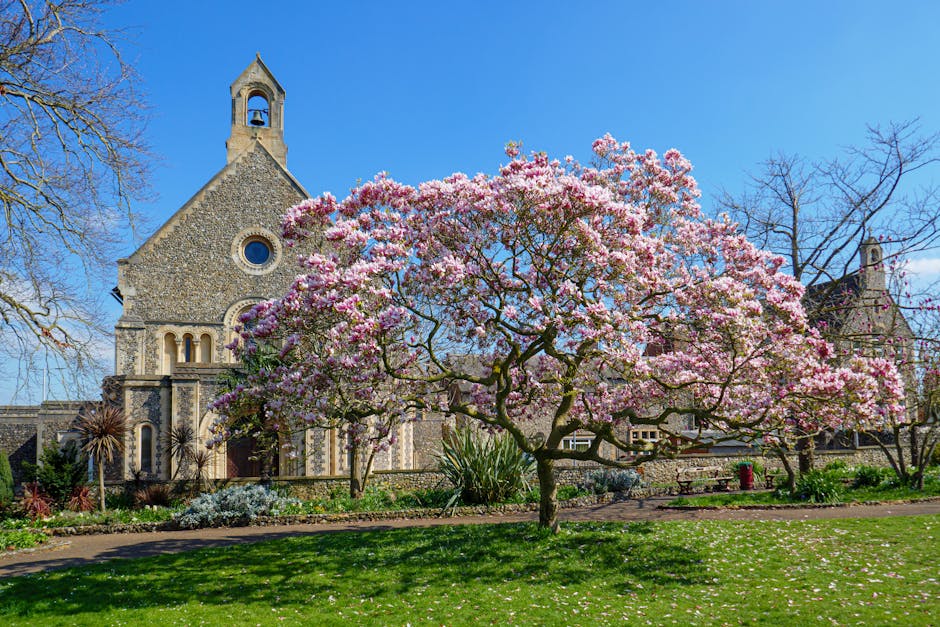
Chislehurst Common planting guide by local gardeners

If you garden anywhere near Chislehurst Common, you already know the ground has a personality of its own. Some patches feel crumbly and dry, others hold moisture after rain, and the wind can arrive with a bit of attitude on a cold afternoon. That is exactly why a Chislehurst Common planting guide by local gardeners is so useful: it turns local knowledge into a simple plan you can actually use, whether you want a wildlife-friendly border, a tidy front garden, or a low-maintenance space that still looks good in February.
In this guide, we will walk through what works best around the Common, what tends to struggle, and how local gardeners think about soil, shade, wind exposure, seasonal timing, and long-term upkeep. You will also find a practical checklist, a comparison table, and a few real-world-style examples that make the advice easier to picture. Let's face it, planting is exciting right up until the second the wrong shrub starts sulking.
Why Chislehurst Common planting guide by local gardeners Matters
Planting around Chislehurst Common is not just about choosing "nice" plants. It is about choosing plants that can cope with local conditions without constant intervention. The area has a mix of mature trees, dappled shade, open exposures, and garden spaces that can vary wildly from one property to the next. A plant that thrives in a sheltered south-facing corner may fail badly in a breezier, more open plot a few streets away.
That local variation is the reason experienced gardeners nearby tend to plan in layers. They think about canopy, underplanting, seasonal structure, and maintenance time all together. If you are trying to build a garden that feels settled rather than temporary, that approach matters more than a perfect shopping list.
There is another reason this guide matters: many gardens around the Common have mature boundaries, older soil, and a mix of sun and shade that changes through the day. In practical terms, that means the best planting decisions are usually the ones that respect the site rather than fight it. A plant placed in the wrong spot can burn, flop, or become a weekly chore. A plant matched properly to the conditions becomes easy, almost suspiciously easy.
For readers who are also thinking about bigger garden work, it can help to look at the wider picture too. If your beds sit beneath heavy branches, for example, a little attention from tree surgery services may improve light levels and plant performance more than another bag of compost ever could.
How Chislehurst Common planting guide by local gardeners Works
At its core, this kind of planting guide works by helping you read the site before you plant anything. That sounds obvious, but to be fair, many people skip it and then spend the next season correcting avoidable mistakes. Local gardeners usually start with four questions: How much sun does the spot get? What is the soil like? Where does water collect? And how exposed is the garden to wind or frost?
Once those basics are clear, the planting plan becomes more sensible. Shade-tolerant plants go under trees or along north-facing fences. Drought-tolerant plants fill warm, free-draining areas. Moisture-loving plants stay where the soil naturally holds water. Structural evergreens are used where a garden needs shape in winter. Ground cover is added where weeds are likely to take over.
This is also where timing comes in. Spring and early autumn are generally the easiest planting windows in the UK because the soil is workable and plants have time to settle before extreme weather arrives. Summer planting is possible, of course, but it needs more watering and more attention. Winter planting can work for some woody plants, yet it is rarely the best time for tender choices.
The guide also works best when it is not treated as a one-off event. Local gardeners tend to think in phases: prepare the bed, plant, mulch, water, observe, and then adjust. Simple really. But it is that repeat observation, especially through the first 8 to 12 weeks, that makes the difference between a patchy border and a border that starts behaving itself.
Key Benefits and Practical Advantages
A locally informed planting plan offers several clear advantages. First, it reduces plant failure. When plants are chosen for the right light, soil and exposure, they establish faster and need less rescue work later. That saves time, money, and a surprising amount of frustration.
Second, it creates gardens that look better for longer. The best planting plans around Chislehurst Common are usually layered, so something is always doing a job: flowers for interest, shrubs for structure, perennials for movement, and evergreen plants for winter continuity. Even when one group has finished, the bed does not collapse visually.
Third, local planting choices can support wildlife without making the garden unruly. Nectar-rich plants, sheltering shrubs, and some carefully chosen ground cover can help bees, hoverflies, and birds. A lot of people want that softer, lived-in feel now, but they do not want a thicket. Fair enough. That balance is entirely possible.
Fourth, a good plan makes maintenance more predictable. If you plant with growth habit in mind, you are less likely to end up constantly cutting back vigorous spreaders or replacing plants that were always too big for the space. It also makes seasonal jobs easier. A bed designed around local conditions is easier to weed, easier to mulch, and easier to keep looking cared for.
If you are already dealing with tired borders or a garden that has grown a bit wild, it can help to tidy the foundations first. Local readers often find that a full reset begins with overgrown garden recovery advice before any new planting happens.
Who This Is For and When It Makes Sense
This guide is for homeowners who want their planting to last, not just survive a nice weekend after planting. It is useful if you are starting from scratch, refreshing old beds, filling awkward gaps, or trying to make a garden feel more coherent after years of patchwork changes.
It also suits people who have recently moved near Chislehurst Common and are still learning the garden's rhythm. New owners often inherit plants that do not quite fit the space, or beds that have been planted for a completely different style of maintenance. In that situation, a local planting guide is less about trend and more about diagnosis.
You might need this approach if:
- your garden has mixed shade and sun in different corners
- the soil dries out quickly in some places but stays damp elsewhere
- you want lower-maintenance planting without making the garden bare
- you need more privacy, screening, or seasonal structure
- you want planting that works around children, pets, or regular use
- you are planning a border renovation rather than a full landscaping project
It makes sense too if you are balancing planting with other jobs such as lawn recovery, hedge management, or boundary improvements. A garden rarely has one issue in isolation. More often, the planting is affected by what is happening around it. A heavy hedge or a neglected lawn edge can change light, moisture, and even the feel of the whole space.
Step-by-Step Guidance
Here is a straightforward way to approach planting near Chislehurst Common without overcomplicating it.
1. Read the site properly
Spend a day noticing where the sun lands, where shade sits after lunch, and which areas stay wet after rain. If you can, check the bed more than once. Morning light and late-afternoon light can tell two very different stories.
2. Improve the soil before planting
Soil improvement does not need to become a grand project. Usually, it means adding well-rotted organic matter, loosening compacted areas, and making sure drainage is not blocked. If the soil is very poor, a simple compost top-up and a season of observation may be enough before you do anything more ambitious. A good starting point is understanding your soil rather than guessing. That alone saves a lot of grief.
3. Group plants by need
Try to plant moisture lovers together, drought-tolerant plants together, and shade lovers together. Mixed needs in one bed usually create weak results because one plant is always having a worse time than the others. It sounds tidy on paper to mix everything, but in practice, it often means one plant is overwatered while another is underfed.
4. Build layers
Use taller shrubs or small trees for structure, mid-height perennials for movement, and low ground cover for weed suppression. Local gardeners often prefer layered planting because it gives the garden a sense of maturity very quickly. You do not need every section to be packed. You need balance.
5. Plant at the right depth and spacing
Planting too deeply is a common mistake, and spacing plants too close together is another. Both can cause issues later. Follow the nursery guidance on mature size, not just the pot size in front of you. Tiny plant, big future. Easy to forget in the moment.
6. Water deeply, then less often
New plants usually do better with less frequent but thorough watering rather than a quick daily splash. That encourages roots to grow downwards. During the first few weeks, you will need to watch them closely, especially if there is a dry spell or a windy week.
7. Mulch and monitor
Mulch helps hold moisture, suppress weeds, and protect soil structure. After planting, keep an eye on leaf colour, growth rate, and drooping. A plant does not always tell you immediately that it is unhappy, but it usually gives hints. Some are subtle, some less so.
Expert Tips for Better Results
Local gardeners often rely on practical judgement rather than flashy techniques. That is usually why their gardens last.
Choose plants with staying power. If a plant looks beautiful but needs constant protection in the Chislehurst climate, think twice. A slightly less glamorous plant that fits the site will usually outperform it over time.
Use evergreen structure sparingly but smartly. Evergreens are valuable because they hold the garden together through winter, yet too many can make a space heavy. A few well-placed shrubs do a lot of work.
Prioritise ground cover where weeds are a headache. If you have beds that dry out or get overlooked, ground cover can be a game changer. It helps protect soil and reduce bare patches. For inspiration, take a look at ideal ground cover plants for UK gardens.
Use climbers to soften hard boundaries. Fences and sheds can feel blunt in a small garden. Climbers add vertical interest, privacy, and a softer feel without using precious ground space. If your garden has shady walls or a darker corner, evergreen climbers for shaded spaces may be especially useful.
Think about the full year, not just spring. A lot of gardens look great for six weeks and then disappear into a green blur. Local gardeners aim for winter stems, winter foliage, seed heads, and evergreen backbone so the garden still has a shape in January.
Protect young plants from wind and heat. Near the Common, a plant can look fine in the morning and be flagging by late afternoon if the spot is exposed. A simple shelter, temporary cane support, or placement near a hedge can help while the plant settles. If you are dealing with a particularly open site, wind-resistant garden planning is worth a closer look.
Common Mistakes to Avoid
Most planting problems are surprisingly ordinary. That is the annoying bit. They are usually not dramatic failures; they are small errors repeated enough times to become a problem.
Planting for the nursery, not for the garden. A plant that looks fantastic in a pot may not suit your soil or aspect. The garden is the real test.
Ignoring mature size. A shrub that looks modest in year one can become a pruning job you resent by year three.
Overcrowding beds. It is tempting to fill every gap. Resist that urge. Plants need breathing room, and so do the people who maintain them.
Not dealing with weeds before planting. Once weeds establish among new plants, they are harder to remove without disturbing roots. A cleaner start makes everything easier.
Forgetting drainage. Heavy or compacted soil can suffocate roots. If water sits around for too long, the wrong plant will struggle no matter how lovingly you water it. Sometimes the issue is not the watering. It is the ground.
Skipping the establishment period. Many people assume a plant is settled after a few days. In reality, the first season matters most. That is when the roots are deciding whether to get comfortable or not.
If your bed is already tangled with unwanted growth, do not fight a losing battle by planting first and clearing later. A practical weed strategy, like the one discussed in weed control guidance, can save a lot of time.
Tools, Resources and Recommendations
You do not need a shed full of specialist kit to plant well. But a few reliable tools make everything easier, and a few decent habits matter just as much.
- a sturdy spade or border fork for breaking ground and turning compost in
- a hand trowel for planting smaller perennials and bulbs
- secateurs for light pruning and deadheading
- garden gloves that actually fit, which sounds obvious until you use the wrong pair
- a watering can or hose with a gentle rose for young plants
- organic mulch to protect exposed soil
- plant labels, especially if you are trying several varieties at once
For people just getting started, it can help to keep expectations simple and consistent. A practical introduction like beginner-friendly gardening guidelines pairs well with a local planting plan. And if you want a broader sense of what to keep in the toolbox, the essential gardening toolset article is a sensible companion read.
In terms of plant choices, local gardeners often favour a mix of long-lived perennials, small shrubs, climbers, and ground cover. The exact mix depends on the site, but a few broad categories remain popular because they are adaptable and dependable. If you want a low-fuss approach, a helpful next step is exploring affordable low-maintenance garden tips before making purchases.
And if your design depends on hedging, screening, or soft privacy, it is worth planning those plants as a system rather than as isolated items. A good hedge can frame a planting scheme beautifully, but it also changes shade and airflow. For ideas, see fast-growing hedge ideas and hedge trimming shapes.
Law, Compliance, Standards, or Best Practice
For most home planting projects, there is no complicated legal process. Still, good practice matters. If work involves trees, boundary lines, shared access, or anything that might affect neighbours, it is sensible to check carefully before cutting or planting. That is especially true where roots, shading, and mature canopies are involved.
If you are altering trees or substantial shrubs, avoid guessing about safety or permissions. A professional opinion can be useful where work has the potential to affect structures, neighbours, or protected planting. For those situations, DIY vs professional tree surgery is a useful context piece, because not every job is a simple weekend project.
Best practice also includes basic site safety. Use the right tools, wear suitable gloves and footwear, and keep paths clear while you work. For more formal reassurance around site work, it helps to understand a provider's approach to health and safety and insurance and safety. Even for garden work, those details matter more than people think.
There is also a wider standard of care around waste and disposal. Compostable green waste can often be managed responsibly, while diseased material or invasive growth may need separate handling. The point is not to become legalistic. The point is to be careful, consistent, and neighbour-aware.
Options, Methods, or Comparison Table
Different planting approaches suit different gardens. Here is a simple comparison to help you choose the right starting point.
| Approach | Best for | Strengths | Watch-outs |
|---|---|---|---|
| Native and wildlife-led planting | Gardens that want pollinator support and seasonal softness | Good resilience, natural look, strong habitat value | Can look untidy if not grouped and maintained well |
| Low-maintenance structural planting | Busy households and front gardens | Cleaner lines, predictable upkeep, year-round shape | Needs thoughtful variety to avoid looking sparse |
| Colour-driven border planting | People who want flowers and seasonal drama | High visual impact, flexible style | Can need more watering, deadheading, and replacements |
| Shade-tolerant planting | Gardens under trees or beside fences | Solves difficult spots, softens dark corners | Limited palette if light is very low |
| Container-led planting | Patios, yards, renters, and small spaces | Portable, adaptable, easy to refresh | Needs more watering and feeding than in-ground beds |
For many homes around Chislehurst Common, the best answer is not one method alone. It is a combination. A shady side path might use containers and climbers, while the main border gets shrubs and perennials. That way, the garden feels coherent without becoming repetitive.
If space is limited, container planting can be a lifesaver. It is also a good way to test colour schemes before committing to a larger bed. There is something reassuring about seeing a plant in a pot for a season before giving it a permanent home. You learn a lot that way.
Case Study or Real-World Example
Picture a typical garden near the Common: a modest rear space with mature trees on one side, a sunny patio area, and a narrow border that has been replanted a few times but never quite "taken." The owner wants interest in every season, less weeding, and a softer boundary with the neighbour's fence.
A local gardener would usually start by clearing the bed properly, then improving the soil where it is compacted. Next comes structure: a couple of evergreen shrubs for backbone, a few shade-tolerant perennials under the tree canopy, and ground cover at the front edge to reduce bare soil. A climber might be trained on the fence to add height without taking up much room. Simple, but effective.
The first change would not be dramatic flowers. It would be stability. The bed would stop looking temporary. The second change would be maintenance. Weeds would be easier to spot, watering would be more targeted, and the whole space would start to feel calmer. By late summer, the garden would probably not look perfect - gardens rarely do - but it would feel settled, which is a much better sign.
In a different scenario, a front garden with exposed conditions may need tougher choices: drought-tolerant planting, some low hedging, and a better mulch layer to protect the soil. If the space feels too open, thoughtful boundary work can also help, and a service like fencing can support both structure and privacy without overpowering the planting.
Practical Checklist
Use this checklist before you buy or plant anything:
- Have you checked sun, shade, and wind exposure across the whole space?
- Do you know whether the soil drains quickly or stays damp?
- Have you cleared weeds and debris from the planting area?
- Have you chosen plants that match the site, not just the style?
- Do the plants have enough room to reach mature size?
- Have you planned a watering routine for the first few weeks?
- Will mulch help reduce drying out and weed growth?
- Have you considered the garden's look in winter as well as summer?
- Are there trees, hedges, or structures affecting light or root space?
- Do you have the tools, time, and confidence to maintain the planting?
If the answer to several of those questions is "not yet," that is fine. It just means the site needs a little more thought before the first spade goes in. A careful pause now usually saves work later.
Conclusion
A Chislehurst Common planting guide by local gardeners is really a guide to better judgement. It helps you plant with the site, not against it. That means better growth, fewer losses, and a garden that feels more settled through the seasons. Around here, the best gardens are rarely the loudest ones. They are the ones that fit their surroundings beautifully and keep improving year after year.
Whether you are starting fresh, reworking an awkward border, or just trying to stop the weeds from winning for once, the smartest move is to build from the ground up: assess the site, prepare the soil, choose plants for the real conditions, and keep the first season gentle. Small, careful steps. That is usually how strong gardens begin.
If you would like help turning a patchy or tired space into something more resilient, more attractive, and much easier to live with, speak to a local team that understands the area and the conditions properly.
Get a free quote today and see how much you can save.
And if you are still planning your next step, take your time. Good planting rewards patience, and around Chislehurst Common, patience tends to pay back in green, quiet ways.
Frequently Asked Questions
What plants grow best near Chislehurst Common?
The best plants are usually those that match your exact site rather than one single "best" list. In many gardens, that means a mix of shade-tolerant perennials, tough shrubs, climbers, and some ground cover. The soil and light levels will decide more than the postcode does.
When is the best time to plant in the UK?
Spring and early autumn are often the easiest times because the soil is warm enough for roots to establish, and the weather is generally less stressful than midsummer or deep winter. That said, timing depends on the plant type and how much aftercare you can give it.
Do I need to improve the soil before planting?
Usually, yes. Even a modest improvement with compost or organic matter can help plants settle faster. If the soil is compacted or thin, loosening and feeding it first makes a noticeable difference.
How do I choose plants for a shady garden?
Look for shade-tolerant species and avoid forcing sun-loving plants into low-light spots. Shade planting works best when you choose foliage texture, leaf shape, and seasonal layering carefully, not just flowers.
What if my garden is very windy?
Use wind-tolerant planting, shelter young plants, and avoid placing delicate species in the most exposed positions. Small hedges, fences, and hardy shrubs can create better microclimates over time.
Should I plant densely to stop weeds?
Moderate density is helpful, but overcrowding creates its own problems. Good ground cover and mulch usually work better than cramming plants too close together.
How much watering do new plants need?
New plants usually need deep watering regularly at first, especially during dry spells. The aim is to help roots grow downward, not just keep the topsoil damp. Once established, most plants need less attention.
Can I use containers instead of planting in the ground?
Yes, especially if you want flexibility or your soil is awkward. Containers are great for patios, entrances, and trial planting. They do need more watering and feeding than in-ground beds, though.
How do I keep a planted border looking good all year?
Mix evergreen structure, seasonal flowers, and plants with interesting stems or foliage. A border that relies on one season alone tends to disappoint later in the year.
What are the most common planting mistakes local gardeners see?
The big ones are poor site matching, overcrowding, ignoring mature size, planting in bad soil, and forgetting that the first season is crucial. Most are avoidable with a little planning.
Do I need professional help for planting near mature trees or hedges?
Sometimes, yes. If roots, shade, or pruning issues are affecting the garden, professional advice can save time and prevent damage. It is especially sensible where trees are large or the space is tightly shared.
How can I make a small garden feel fuller without making it busy?
Use layers, repeat a few plant types, and add vertical interest with climbers or compact shrubs. That gives the garden depth without cluttering it. Small spaces usually benefit from restraint, not more and more stuff.